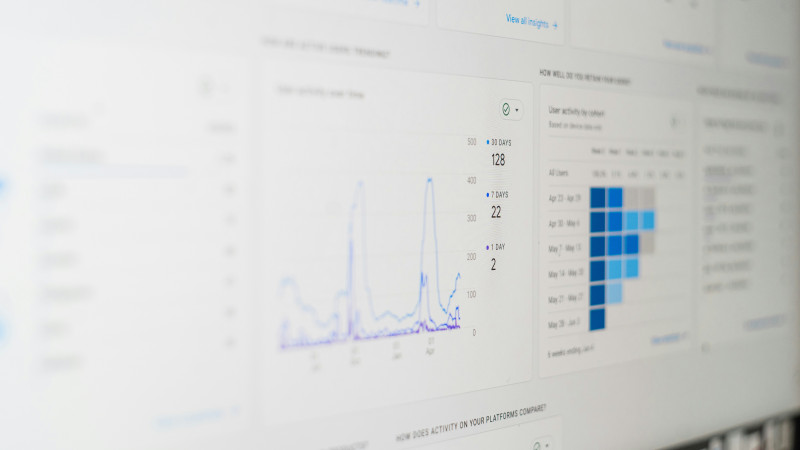
Web analytics data has always played a pivotal role in shaping online strategies, but the future holds much more promise as technology, consumer behaviour, and privacy regulations evolve. As businesses recognize the paramount importance of optimizing user experiences and maximizing conversion rates, web analytics is undergoing a transformative shift. This evolution is not merely about tracking numbers but about unlocking richer insights and making smarter, data-driven decisions that anticipate user needs.
In the coming years, web analytics will become more holistic, integrating multiple data sources beyond the traditional pageviews and bounce rates. Marketers and webmasters will leverage tools that combine website data with social media metrics, customer relationship management (CRM) systems, and even in-store behavioral data. This convergence provides a unified view of the customer journey, enabling businesses to identify precisely where users disengage and what drives them to convert.
AI and machine learning are set to redefine the effectiveness of web analytics for optimization purposes. These technologies will automate the detection of complex patterns, anomalies, and emerging user segments. Instead of manually sifting through reports, optimization teams will receive prescriptive insights—such as recommended content variations or navigation tweaks—that can boost conversion rates. Predictive analytics will become mainstream, allowing businesses to proactively address issues before they impact revenue and to test hypotheses at a scale previously unimaginable.
Personalization driven by analytics data is poised to reach new heights. Instead of implementing static, one-size-fits-all solutions, progressive web optimization will employ real-time segmentation and dynamic content delivery. This means every user—whether a first-time visitor or a loyal customer—will encounter tailored messaging, design, and calls to action. As web personalization becomes more sophisticated, conversion rates are expected to rise dramatically, as users experience a sense of relevance that drives engagement.
Privacy and data ethics will be at the forefront of this future. With increasing global awareness of data protection and compliance requirements, such as GDPR and CCPA, the way web analytics platforms collect, process, and store information is rapidly changing. Cookieless tracking, server-side analytics, and privacy-centric measurement models will become standard. Businesses that stay ahead by prioritizing transparent data practices will build trust with users and maintain access to high-quality, actionable insights.
Collaborative analytics environments are another significant trend. As web optimization becomes a cross-disciplinary effort, analytics platforms will facilitate greater collaboration among marketing, design, product, sales, and support teams. Shared dashboards, customizable reports, and collaborative annotation features will allow stakeholders to align rapidly on goals and tactics. These environments will accelerate learning cycles and foster a culture of experimentation, leading to continuous conversion rate improvements.
Finally, the evolution of web analytics data will democratize website optimization. User-friendly interfaces, no-code analytics tools, and automated insight generation will enable individuals without technical backgrounds to actively participate in data-driven decision making. This democratization ensures that innovative ideas for conversion rate optimization come from every corner of an organization, driving agility and keeping businesses ahead in an increasingly competitive digital landscape.
The future of web analytics data is marked by integration, intelligence, personalization, privacy, collaboration, and democratization. These advancements promise not just improved website performance and higher conversion rates, but also richer user experiences and stronger relationships between businesses and their audiences. As organizations adapt to these changes, those who embrace the evolving world of web analytics will consistently outperform, turning data into their most strategic asset.