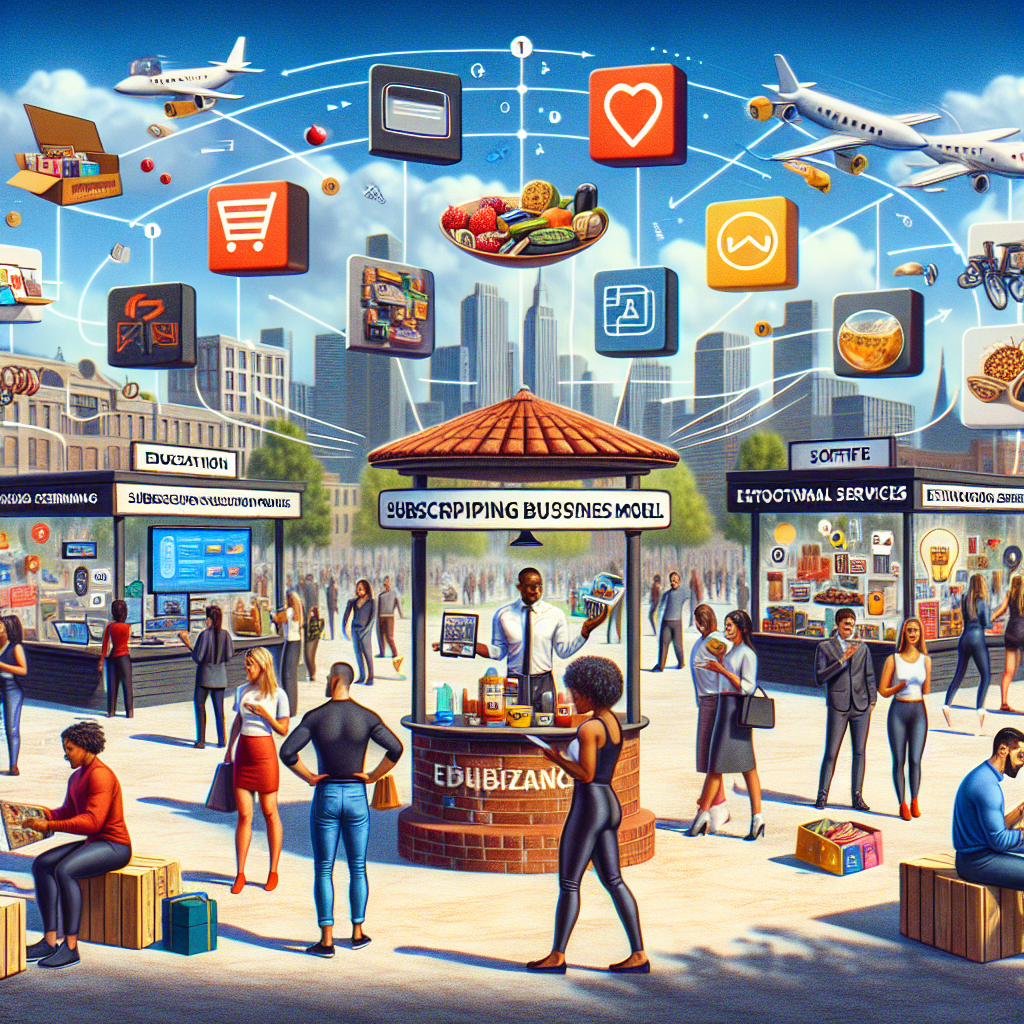
Subscription-based business models have transformed the way consumers access media, with streaming services like Netflix, Spotify, and Disney+ serving as seminal examples. However, the subscription paradigm is rapidly evolving, and its impact is reaching far beyond the entertainment sector. As technology advances and consumer behavior shifts, innovative companies across industries are embracing subscription models to deliver tailored, recurring value.
One area experiencing significant growth is physical goods and consumables. Subscription boxes for everything from meal kits to personal care products have gained traction, offering convenience and personalization. Companies like Dollar Shave Club, Blue Apron, and Stitch Fix have demonstrated that curated, recurring deliveries can customize the customer experience and deepen brand loyalty. Leveraging data analytics, these businesses continuously refine their offerings to match individual preferences, turning one-time buyers into long-term subscribers.
Software as a Service (SaaS) has revolutionized how both individuals and enterprises access technology. Rather than investing in expensive licenses and hardware, users now subscribe to software platforms that receive continuous updates and cloud-based support. This model, pioneered by companies like Microsoft and Adobe, reduces barriers to entry for consumers and ensures a steady stream of revenue for providers. The predictability of recurring income has enabled rapid development cycles and a focus on customer success.
Health and wellness sectors are also embracing subscription frameworks. Digital fitness platforms offer everything from virtual training sessions to personalized nutrition plans, often bundled with health trackers or smart scales. Telehealth companies are providing ongoing access to medical professionals and continuous monitoring through monthly or annual plans. This ongoing relationship enables more proactive and personalized healthcare, increasing adherence to wellness goals and reducing long-term costs.
Automotive and transportation industries are experimenting with innovative adaptations of subscriptions. Car subscription services, such as Porsche Drive or Care by Volvo, allow users to access vehicles with insurance and maintenance included, eliminating traditional ownership hassles. In urban areas, mobility subscriptions offer access to bikes, scooters, or rideshare services in a bundle, promoting flexibility and reducing reliance on personal vehicles.
Even the world of education is not untouched by the subscription wave. Edtech companies provide ongoing access to premium learning content, tutoring, and upskilling courses for a monthly fee. This model democratizes education, offering students and professionals continuous opportunities for growth while giving companies the resources to expand and update their libraries.
As sustainability concerns grow, the subscription model also supports circular economy practices. Businesses like Rent the Runway and furniture rental startups are transforming consumption by encouraging reuse and sharing, reducing waste and environmental impact. Subscription models incentivize companies to focus on product longevity and ongoing customer satisfaction rather than just single sales.
The future of subscription-based business models lies in their adaptability and potential to create value beyond mere access. By fostering ongoing relationships, leveraging data to personalize experiences, and enabling sustainable consumption habits, the subscription economy is poised to reshape myriad industries. As it matures, the focus will shift from simple recurring payments to rich, evolving partnerships between companies and their customers, fundamentally redefining what it means to "own" products and services in the digital age.