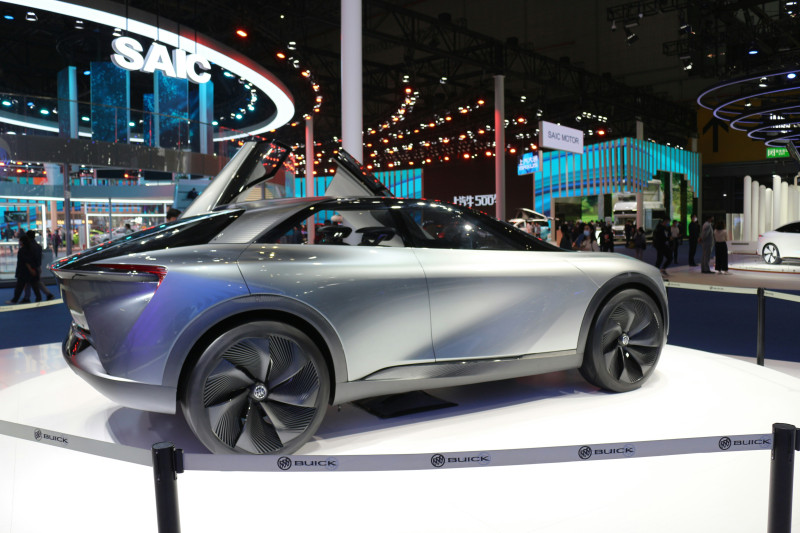
The future of smart cars is moving from isolated vehicle intelligence to a fully connected mobility system. Today’s vehicles already include adaptive cruise control, lane centering, automatic braking, and cloud-based navigation, but these features are only the beginning. Over the next decade, smart cars will increasingly behave like mobile computing platforms that learn from drivers, communicate with infrastructure, and improve through software updates. This shift will make transportation safer, cleaner, and more efficient while changing how people think about car ownership and daily travel.
One of the most important developments will be the steady rise of predictive safety. Smart cars will not simply react to danger; they will anticipate it. Advanced sensor fusion, combining cameras, radar, lidar, and real-time mapping, will allow vehicles to identify hazards long before a human driver can respond. A smart car approaching a blind intersection may already know that another vehicle is likely to run a red light. On wet roads, it may adjust speed and braking behavior automatically based on surface conditions, traffic patterns, and weather forecasts. As these systems mature, accidents caused by distraction, fatigue, and delayed reaction times are likely to fall significantly.
Connectivity will also transform the role of the car in everyday life. Future smart cars will communicate with traffic lights, road networks, charging stations, parking systems, and other vehicles. This vehicle-to-everything model will reduce congestion by routing traffic dynamically and minimizing stop-and-go patterns that waste time and energy. Drivers may receive seamless guidance to open parking spaces, optimal charging points, or lower-traffic routes in real time. In cities, connected smart cars could become active participants in urban planning, sharing anonymous traffic and environmental data that helps improve public infrastructure and emergency response.
The interior experience of smart cars will evolve just as dramatically. Vehicles will become more personalized, adaptive, and useful as digital environments. Instead of static dashboards, drivers and passengers will interact with intelligent systems that recognize voice, habits, schedules, and preferences. A smart car might prepare the cabin temperature before departure, suggest a different route because of a calendar appointment, or switch from work mode to entertainment mode based on who is inside. As self-driving capability gradually improves, time spent in the car will become more productive and enjoyable, turning travel into an extension of home, office, or leisure space.
Energy and sustainability will be central to the future of smart cars. Electric powertrains, intelligent battery management, and software-optimized driving will work together to reduce emissions and lower operating costs. Smart cars will not only consume energy more efficiently but also interact with the power grid in useful ways. A parked vehicle may one day store energy during off-peak hours and supply it back to the grid when demand rises. Combined with cleaner manufacturing, recyclable materials, and more efficient transportation systems, smart cars will support a broader shift toward sustainable mobility rather than simply replacing one kind of engine with another.
The business model of transportation will also change. In the future, many people may access smart vehicles through subscription services, shared fleets, or autonomous ride platforms rather than traditional ownership. This will make advanced mobility available to more households while reducing the need for underused private vehicles sitting idle for most of the day. Rural and suburban communities could benefit from smarter on-demand transport networks, while older adults and people with disabilities may gain greater independence through highly capable assisted-driving and autonomous systems. Smart cars will expand mobility not only by improving technology, but by widening access.
Trust, regulation, and cybersecurity will shape how quickly this future arrives. The most successful smart cars will be those that prove they are reliable, transparent, and secure. Manufacturers will need to design systems that protect personal data, resist hacking, and clearly explain decision-making in critical situations. Governments will need updated standards for autonomous behavior, liability, and data use. These challenges are real, but they are solvable, and they should be viewed not as barriers to progress but as the necessary foundations of responsible innovation.
The future of smart cars is ultimately about more than convenience. It is about creating a transportation system that is safer, more responsive, more sustainable, and more inclusive. As artificial intelligence, connectivity, electrification, and automation continue to converge, smart cars will become one of the defining technologies of modern life. They will not simply help people get from one place to another. They will help reshape cities, strengthen energy systems, and give millions of people a better experience of movement itself.