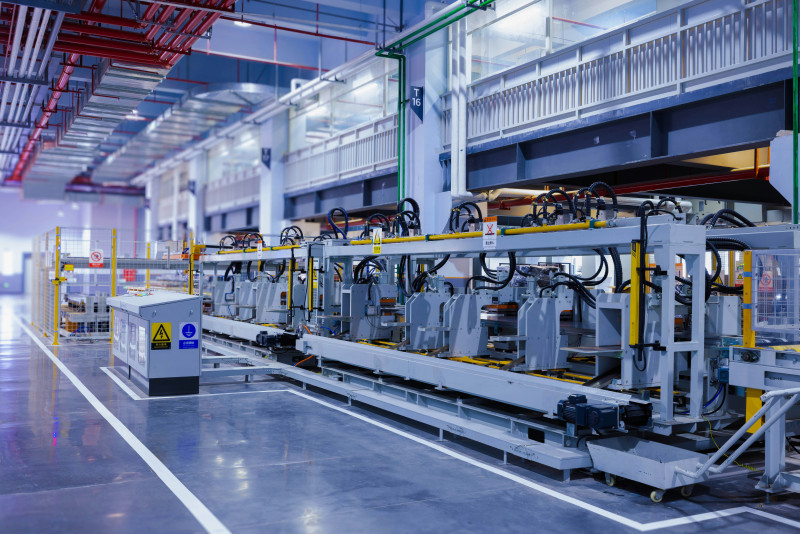
The adoption of IoT, AI, and robotics is reshaping manufacturing by improving productivity, quality, flexibility, and decision-making. IoT in manufacturing - IoT connects machines, sensors, and systems to collect real-time data. - It improves visibility across production lines, inventory, energy use, and equipment condition. - Common uses include predictive maintenance, asset tracking, remote monitoring, and supply chain coordination. - Main benefits are reduced downtime, better resource utilization, and faster response to issues. AI in manufacturing - AI analyzes large volumes of operational data to identify patterns and support decisions. - It is used for demand forecasting, quality inspection, process optimization, anomaly detection, and maintenance planning. - Machine learning models can improve production scheduling and reduce waste. - AI helps manufacturers move from reactive operations to predictive and adaptive systems. Robotics in manufacturing - Robotics automates repetitive, dangerous, or precision-based tasks. - Industrial robots are widely used in welding, assembly, painting, packaging, and material handling. - Collaborative robots, or cobots, work alongside humans and are increasingly used in flexible manufacturing settings. - Benefits include higher consistency, improved safety, and increased throughput. Combined impact - When IoT, AI, and robotics are integrated, they create smart manufacturing systems. - IoT provides data, AI generates insights, and robotics executes actions. - This combination supports real-time optimization, autonomous operations, and mass customization. - It is a key foundation of Industry 4.0. Challenges to adoption - High initial investment and integration costs - Cybersecurity and data privacy risks - Skills gaps in digital and technical capabilities - Legacy equipment compatibility - Change management and workforce adaptation Future outlook - Adoption will continue to grow as costs fall and technologies mature. - Edge computing, digital twins, and 5G will further strengthen smart factory capabilities. - Manufacturers that invest strategically are likely to gain advantages in efficiency, resilience, and innovation. IoT, AI, and robotics are not separate trends but interconnected technologies driving the transformation of manufacturing toward smarter, faster, and more resilient operations.